Pain around the elbow can make everyday activities surprisingly difficult. Simple tasks like opening a jar, shaking hands, carrying groceries, or using a computer mouse may become uncomfortable when the tendons around the elbow become irritated.
Two of the most common causes of chronic elbow pain are tennis elbow and golfer’s elbow. Although these conditions have similar names and both involve tendon inflammation, they affect different parts of the elbow and often develop from different repetitive movements.
Understanding the differences between these conditions can help you recognize your symptoms, seek an accurate diagnosis, and explore the most appropriate treatment options.
What Is Tennis Elbow?
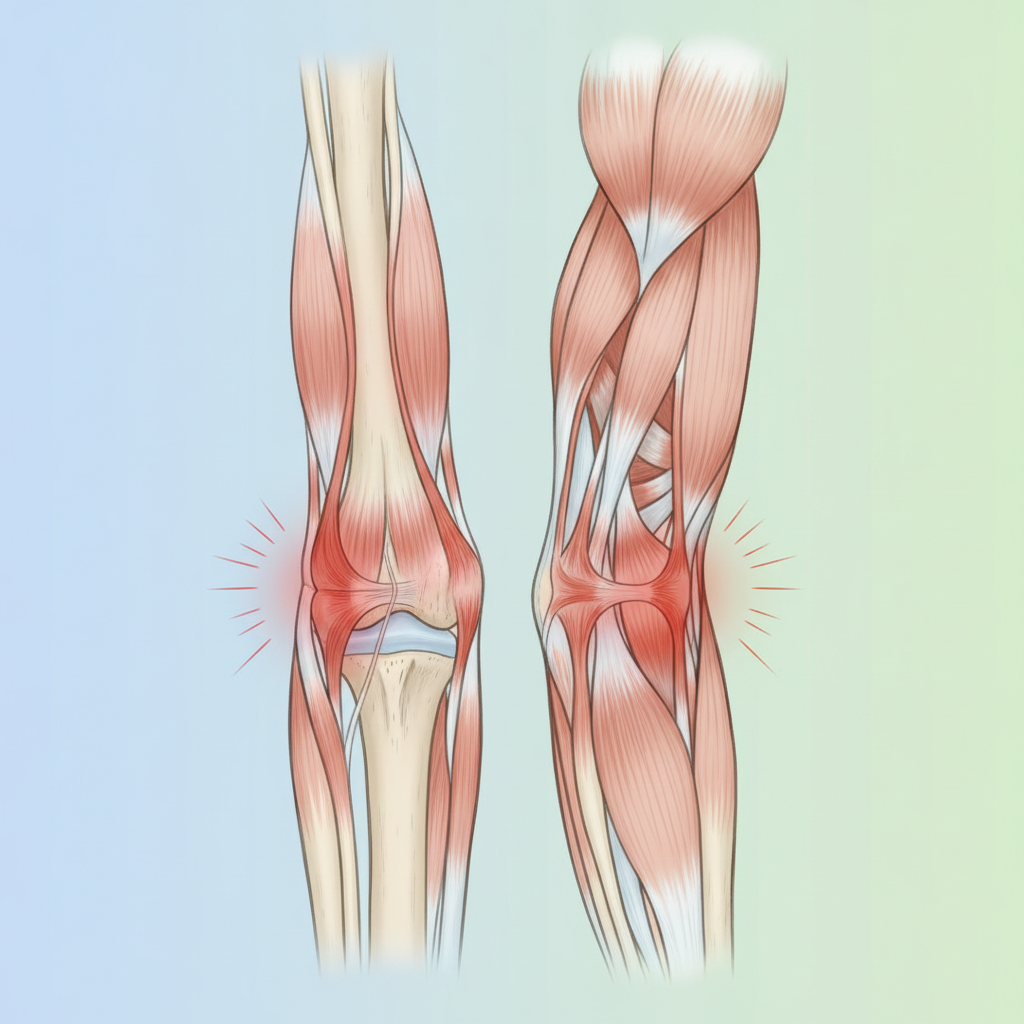
Tennis elbow, also called lateral epicondylitis, is a condition that affects the tendons attached to the outside (lateral side) of the elbow.
Despite its name, tennis elbow isn’t limited to tennis players. In fact, most people diagnosed with tennis elbow have never played the sport. The condition develops when repetitive wrist and forearm movements place excessive strain on the tendons that connect the forearm muscles to the outer portion of the elbow.
Over time, these repetitive stresses can cause tiny tears within the tendon, leading to pain and inflammation.
What Is Golfer’s Elbow?
Golfer’s elbow, or medial epicondylitis, affects the tendons attached to the inside (medial side) of the elbow.
Like tennis elbow, golfer’s elbow is not exclusive to golfers. It develops when repetitive gripping, lifting, or wrist-flexing motions place repeated stress on the tendons that attach to the inside of the elbow.
Although both conditions involve tendon irritation, the primary difference is simply which side of the elbow is affected.
The Biggest Difference: Pain Location
The easiest way to distinguish these conditions is by where the pain occurs.
Tennis Elbow
Pain develops along the outside of the elbow and may extend down the forearm toward the wrist.
Many patients notice discomfort when:
- Gripping objects
- Turning a doorknob
- Lifting a coffee mug
- Shaking hands
- Using tools
- Typing or using a computer mouse
Golfer’s Elbow
Pain develops along the inside of the elbow and may travel down the inner forearm.
Symptoms often become noticeable during activities such as:
- Gripping golf clubs
- Throwing a baseball
- Lifting weights
- Carrying heavy bags
- Flexing the wrist repeatedly
While the symptoms can feel similar, identifying the location of the discomfort often provides an important clue.
Common Causes of Tennis Elbow
Tennis elbow develops because of repetitive strain placed on the forearm extensor muscles.
Common activities include:
- Racquet sports
- Painting
- Plumbing
- Carpentry
- Computer work
- Gardening
- Assembly line work
- Repetitive lifting
The condition often develops gradually rather than from a single injury. Many patients cannot identify one specific event that caused their symptoms.
Common Causes of Golfer’s Elbow
Golfer’s elbow results from repetitive use of the forearm flexor muscles.
Common causes include:
- Golf swings
- Throwing sports
- Weightlifting
- Construction work
- Heavy lifting
- Repetitive gripping
- Using hand tools
Like tennis elbow, golfer’s elbow often develops over time due to repeated stress rather than one traumatic event.
Comparing Symptoms
Although both conditions affect the elbow tendons, their symptoms differ slightly.
Tennis Elbow Symptoms
Patients with tennis elbow commonly experience:
- Pain on the outside of the elbow
- Tenderness over the lateral elbow
- Weak grip strength
- Pain when lifting objects
- Discomfort when extending the wrist
- Pain during repetitive hand movements
The discomfort often becomes worse during activities that involve gripping or lifting with the palm facing downward.
Golfer’s Elbow Symptoms
Patients with golfer’s elbow often notice:
- Pain on the inside of the elbow
- Tenderness near the medial elbow
- Weakness when gripping
- Pain while flexing the wrist
- Discomfort during throwing or swinging motions
- Occasionally numbness or tingling that extends toward the ring and little fingers if nearby nerves become irritated
Because the symptoms can overlap, a thorough evaluation is often necessary for an accurate diagnosis.
How Are These Conditions Diagnosed?
Diagnosis usually begins with a physical examination and a discussion of your symptoms.
Your physician may ask questions about:
- When the pain started
- What activities make it worse
- Previous injuries
- Occupation
- Sports or hobbies
During the examination, certain movements may be used to reproduce symptoms and help identify which tendon is involved.
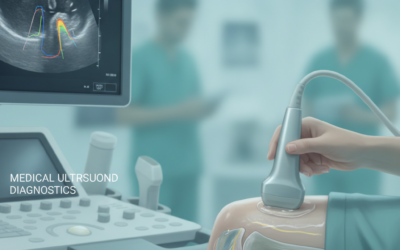
In some cases, imaging studies such as ultrasound or MRI may be recommended to evaluate the tendons and rule out other conditions affecting the elbow.
Treatment Options
Fortunately, many cases of both tennis elbow and golfer’s elbow improve with conservative care.
Initial treatment often includes:
- Rest and activity modification
- Physical therapy
- Stretching and strengthening exercises
- Anti-inflammatory medications
- Bracing
- Corticosteroid injections in select cases
Recovery may take several weeks or even months, depending on the severity of the tendon injury.
When Tennis Elbow Doesn’t Improve
While many patients recover with conservative treatment, some continue to experience persistent pain despite months of therapy.
Chronic tennis elbow can interfere with work, exercise, and daily activities long after the initial injury should have healed.
For these patients, newer minimally invasive treatments have emerged as additional options.
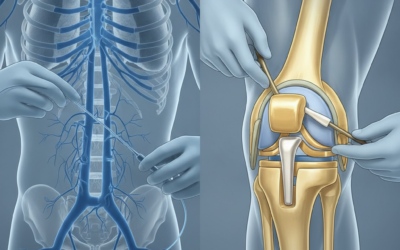
One example is Elbow Artery Embolization (EAE), an image-guided procedure that targets the small abnormal blood vessels associated with chronic tendon inflammation. By reducing blood flow to these inflamed vessels, EAE may help decrease pain while preserving the natural structures of the elbow.
Your physician can determine whether this treatment may be appropriate based on your symptoms, imaging findings, and response to previous therapies.
Can You Prevent Either Condition?
Although not every case can be prevented, several strategies may reduce your risk of developing repetitive elbow injuries.
Helpful habits include:
- Using proper technique during sports and exercise
- Taking regular breaks during repetitive work
- Strengthening the forearm muscles
- Stretching before strenuous activity
- Using ergonomic equipment when appropriate
- Avoiding sudden increases in activity intensity
Paying attention to early symptoms may also prevent minor irritation from becoming a chronic condition.
When Should You See a Specialist?
It is a good idea to seek medical evaluation if elbow pain:
- Lasts several weeks despite rest
- Continues to worsen
- Limits your ability to work or exercise
- Causes significant weakness
- Returns repeatedly after treatment
Early evaluation can help identify the underlying cause of your symptoms and allow treatment to begin before the condition progresses further.
Find the Right Diagnosis for Your Elbow Pain
Although tennis elbow and golfer’s elbow share many similarities, they affect different tendons and often require different treatment approaches. Knowing whether your pain is located on the inside or outside of the elbow is an important first step, but an accurate diagnosis is essential for creating an effective treatment plan.
At California Joint Pain Institute, we evaluate patients experiencing chronic elbow pain and help them understand the condition affecting their joint. For individuals with persistent tennis elbow that has not improved with conservative care, we also offer advanced, minimally invasive treatment options such as Elbow Artery Embolization (EAE).
If elbow pain is interfering with your daily activities or preventing you from doing what you enjoy, contact us today to schedule a consultation and learn more about your options.