Our joints do a remarkable amount of work throughout a lifetime. Walking, reaching, bending, lifting, exercising, and even performing simple daily tasks all depend on joints that can move comfortably and efficiently. As we get older, however, natural changes in cartilage, muscles, tendons, and other tissues can affect how our joints feel and function.
That doesn’t mean chronic joint pain is simply something you have to accept as part of aging. While certain joint conditions become more common with age, persistent pain can have an identifiable cause and may respond to appropriate care.
Understanding how aging affects joint health can help you recognize changes in your knees, shoulders, elbows, and other joints while taking steps to preserve mobility for years to come.
What Happens to Your Joints as You Age?
A joint is the point where two or more bones meet. Depending on the joint, cartilage, tendons, ligaments, muscles, and fluid-filled structures all work together to provide movement, cushioning, and stability.
These tissues naturally change over time.
Cartilage may gradually become thinner. Tendons and ligaments can become less flexible. Muscle mass and strength may decrease, particularly without regular physical activity. Previous injuries can also begin to influence how a joint functions years after the original injury occurred.
These changes don’t automatically result in pain. Many people remain highly active as they age. However, they can make joints more vulnerable to certain conditions and affect how well the body responds to repetitive stress.
Cartilage Changes With Age
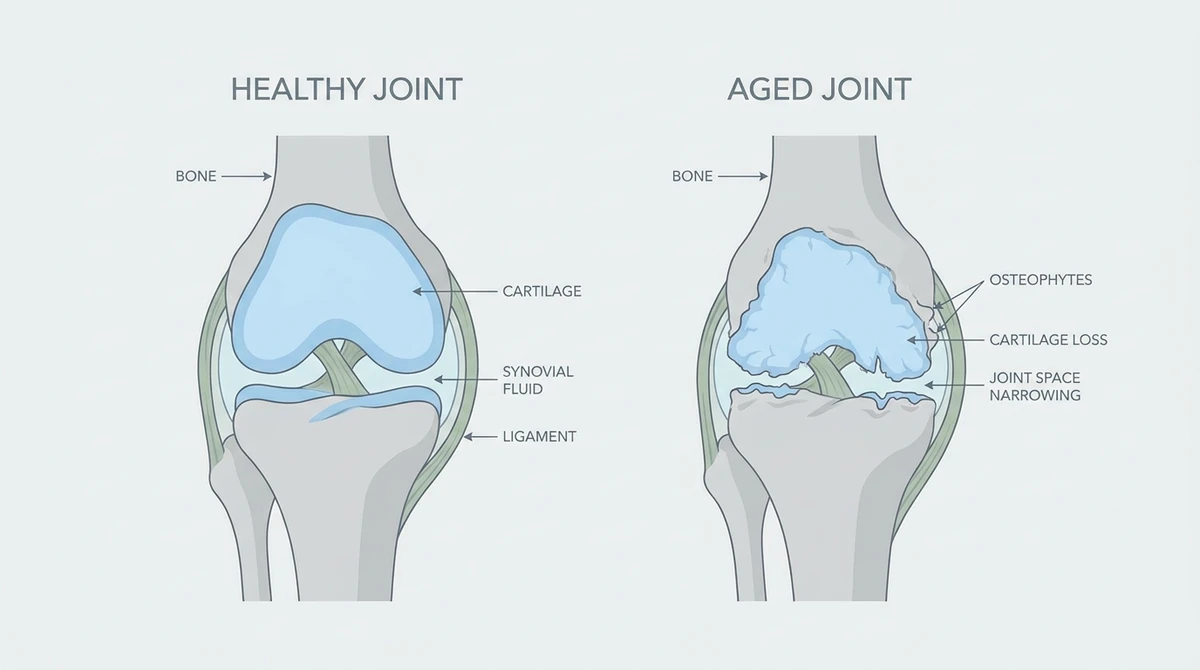
Cartilage covers the ends of bones within many joints and creates a smooth surface that helps them move against one another.
Over time, cartilage may become thinner and less resilient. The body’s ability to maintain and repair this tissue also changes with age.
When cartilage deterioration becomes significant, it can contribute to osteoarthritis, a degenerative joint condition commonly affecting the knees, hips, hands, and spine.
Cartilage itself doesn’t tell the entire story, however. Osteoarthritis can also involve changes in the bone, joint lining, and surrounding tissues, along with inflammation that contributes to pain and stiffness.
Why Knee Osteoarthritis Becomes More Common
The knees experience considerable stress throughout daily life. Every time you stand, walk, climb stairs, or get out of a chair, your knees help support and move your body. It’s therefore not surprising that knee osteoarthritis becomes more common with age.
Symptoms can include:
- Knee pain during activity
- Stiffness after sitting or resting
- Swelling
- Reduced range of motion
- Difficulty walking longer distances
- Pain when climbing stairs
- Grinding or clicking sensations
Previous knee injuries, repetitive stress, body weight, genetics, and other factors may also influence the development of osteoarthritis.
Age is a risk factor, but it is not the only one.
Aging Affects Muscles, Too
Healthy joints depend on strong muscles. The muscles surrounding a joint provide stability and help absorb some of the forces created during movement. As adults age, they naturally tend to lose muscle mass and strength, particularly when physical activity decreases.
For example, weaker muscles around the knee can make walking or climbing stairs more challenging. Reduced shoulder strength can make lifting and reaching more difficult.
Maintaining strength through appropriate exercise can therefore be an important part of supporting joint health as you get older. Even relatively simple activities such as walking, resistance training, and exercises recommended by a physical therapist can help preserve strength and mobility.
Tendons Can Become Less Flexible
Tendons connect muscles to bones and play an essential role in movement. Like other connective tissues, tendons change over time and may become less flexible.
Repeated stress can also lead to gradual tendon degeneration.
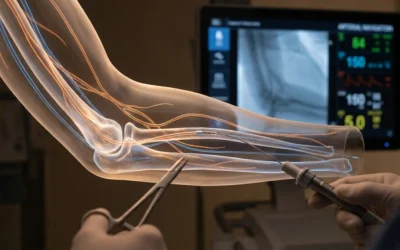
This can contribute to conditions such as tennis elbow, which affects the tendons on the outside of the elbow. Despite its name, tennis elbow is not limited to athletes. Repetitive gripping, lifting, twisting, or tool use can all place stress on these tendons.
For some people, accumulated repetitive stress combined with age-related tissue changes can make tendon problems more persistent.
Shoulder Mobility May Change With Age
The shoulder has an unusually wide range of motion, allowing the arm to move in many different directions. Maintaining that mobility requires several structures to work together.
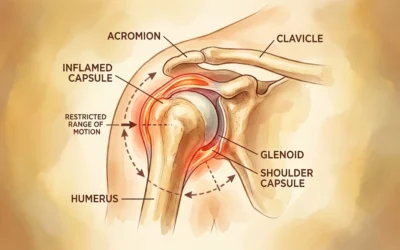
Shoulder problems become increasingly common as people get older, including rotator cuff disorders and frozen shoulder, also known as adhesive capsulitis.
Frozen shoulder occurs when the capsule surrounding the shoulder becomes inflamed, thickened, and restricted. Pain may develop first, followed by increasing stiffness.
Patients may have difficulty:
- Reaching overhead
- Reaching behind their back
- Putting on clothing
- Fastening a seatbelt
- Sleeping comfortably
- Performing routine household tasks
Although frozen shoulder can eventually improve, the process may take many months or longer.
The Role of Inflammation in Age-Related Joint Pain
Joint pain isn’t always caused solely by mechanical “wear and tear.”
Inflammation can be an important contributor to chronic joint pain, particularly in conditions such as osteoarthritis.
In an osteoarthritic knee, for example, tissues surrounding the joint can become inflamed. This inflammatory environment may be associated with the development of additional small blood vessels in the affected tissues.
These vascular changes are one reason modern joint pain treatment increasingly considers inflammation alongside structural changes.
For some patients, reducing inflammatory activity may help improve pain and function even though the underlying cartilage changes remain. Read more about how inflammation contributes to chronic joint pain.
Is Joint Pain an Inevitable Part of Getting Older?
No. Age increases the likelihood of developing certain joint conditions, but persistent or severe joint pain should not automatically be dismissed as normal aging.
Pain may indicate osteoarthritis, tendon damage, bursitis, frozen shoulder, an old injury, or another condition that can be evaluated and managed.
Consider seeking medical evaluation when joint pain:
- Persists for several weeks
- Becomes progressively worse
- Regularly interferes with sleep
- Limits walking or other daily activities
- Causes significant stiffness
- Is accompanied by recurring swelling
- Prevents you from participating in activities you enjoy
Identifying the cause can provide a much clearer picture of what can be done.
How Can You Protect Your Joints as You Age?
There is no guaranteed way to prevent every joint disorder, but healthy habits can support mobility and joint function.
Stay Physically Active
Regular movement helps maintain strength, flexibility, and range of motion. Low-impact activities such as walking, swimming, and cycling may be particularly comfortable for people with joint concerns.
Maintain Muscle Strength
Strengthening the muscles surrounding major joints can improve stability and help distribute forces more effectively.
Maintain a Healthy Weight
Excess body weight places additional stress on weight-bearing joints, particularly the knees. Weight management may help reduce that stress.
Avoid Repetitive Overuse
Repetitive movements can irritate tendons and other tissues. Using proper technique, varying activities, and allowing adequate recovery may help reduce unnecessary strain.
Address Pain Early
Pain that continues or repeatedly returns deserves attention. Early evaluation may identify a condition before it begins significantly limiting mobility.
Treatment Options Have Changed
Managing chronic joint pain does not always mean choosing between temporary relief and major surgery. Depending on the cause, treatment may begin with physical therapy, exercise, activity modification, medications, braces, or injections.
For certain patients with persistent inflammatory joint conditions, minimally invasive artery embolization may also be an option.
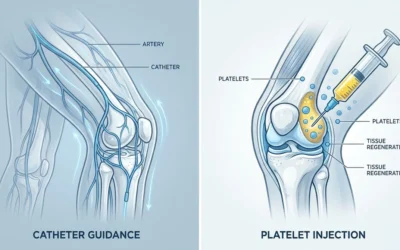
At California Joint Pain Institute, these image-guided procedures include Genicular Artery Embolization (GAE) for knee osteoarthritis, Elbow Artery Embolization (EAE) for chronic tennis elbow, and Shoulder Artery Embolization (SAE) for frozen shoulder.
These procedures use a small catheter to selectively target abnormal blood vessels associated with chronic inflammation. They are designed to reduce inflammatory activity while preserving the natural joint and surrounding healthy tissues. For knee osteoarthritis, GAE offers longer-lasting pain relief, but it does not cure the underlying arthritis. Its goal is to improve quality of life and help delay the need for knee replacement surgery.
Not everyone is a candidate, which is why an accurate diagnosis and individualized evaluation are important.
Stay Active as You Get Older
Aging changes your joints, but getting older doesn’t mean giving up the activities that keep you moving. Paying attention to persistent symptoms, maintaining strength and mobility, and seeking appropriate care can all contribute to healthier joints throughout later life.
At California Joint Pain Institute in Irvine, CA, we help patients understand the causes of chronic knee, elbow, and shoulder pain and explore treatment options based on their individual needs.
If joint pain is making it harder to walk, exercise, work, or enjoy your normal routine, contact California Joint Pain Institute to schedule a consultation. Our team can help identify what’s contributing to your symptoms and determine whether a minimally invasive treatment may be an appropriate part of your care.