For many people living with chronic joint pain, cortisone injections are one of the first treatments recommended after rest, physical therapy, or over-the-counter medications no longer provide enough relief. Cortisone injections can reduce inflammation and temporarily ease pain, helping patients return to their normal activities.
However, cortisone injections are not a permanent solution. Their effects often wear off over time, and repeated injections may not be appropriate for every patient. If you’ve received one or more cortisone shots and are wondering what comes next, you’re not alone.
Fortunately, there are several alternatives to cortisone injections that may help manage chronic joint pain, depending on the underlying condition. From lifestyle changes and rehabilitation to newer minimally invasive procedures, today’s treatment options offer patients more choices than ever before.
How Cortisone Injections Work
Cortisone is a powerful anti-inflammatory medication that is injected directly into an affected joint or surrounding tissue.
By reducing inflammation, cortisone can help relieve symptoms such as:
- Joint pain
- Swelling
- Stiffness
- Reduced mobility
The goal is to provide temporary symptom relief while allowing patients to participate more comfortably in physical therapy or daily activities.
Although many people experience meaningful improvement, cortisone injections typically do not address the underlying cause of joint degeneration or chronic tendon injury. As the medication wears off, symptoms may gradually return.
Why Some Patients Look for Alternatives
There are several reasons why patients begin exploring treatments beyond cortisone injections.
For some, the injections simply stop providing the same level of relief they once did. Others may find that the improvement lasts only a few weeks or months before pain returns.
Physicians also generally limit how often cortisone injections can be given in the same joint because frequent injections may affect the surrounding tissues over time.
Additionally, some patients prefer to avoid repeated injections altogether and instead look for longer-term solutions that fit their lifestyle and goals.
Physical Therapy
Physical therapy remains one of the most effective non-surgical treatments for many joint conditions.
A customized therapy program may help:
- Improve flexibility
- Strengthen muscles surrounding the joint
- Improve balance and stability
- Reduce stress placed on painful joints
- Restore normal movement patterns
For conditions like frozen shoulder, physical therapy often focuses on gradually improving range of motion. For knee osteoarthritis, strengthening the muscles around the knee can improve support and reduce discomfort during everyday activities.
Although progress may take time, physical therapy often plays an important role in both conservative treatment and long-term joint health.
Lifestyle Modifications
Small lifestyle changes can make a meaningful difference for many people living with chronic joint pain.
Depending on the condition, your physician may recommend:
- Low-impact exercise
- Weight management
- Regular stretching
- Improving posture
- Ergonomic adjustments at work
- Avoiding repetitive movements that aggravate symptoms
These changes won’t reverse arthritis or repair damaged tendons, but they may help reduce stress on the affected joint and improve overall function.
Bracing and Supportive Devices
Braces and supportive devices may also provide symptom relief for certain conditions.
For example:
- Knee braces may improve stability in patients with osteoarthritis.
- Forearm braces can reduce stress on the tendons affected by tennis elbow.
- Shoulder supports may provide temporary comfort during periods of increased pain.
While these devices do not treat the underlying condition, they can often make daily activities more manageable when used as part of a broader treatment plan.
Hyaluronic Acid Injections
For some patients with knee osteoarthritis, hyaluronic acid injections may be recommended as an alternative to cortisone.
Hyaluronic acid is a naturally occurring substance found within healthy joint fluid. These injections are intended to improve joint lubrication, potentially reducing friction during movement.
Results vary from person to person, and not every patient is a candidate, but this treatment may provide another option for individuals seeking alternatives to steroid injections.
Platelet-Rich Plasma (PRP)
Platelet-rich plasma (PRP) therapy has received increasing attention in recent years for treating certain tendon and joint conditions.
PRP involves concentrating platelets from a patient’s own blood and injecting them into the injured area. Platelets contain growth factors that may support the body’s natural healing response.
While PRP may be considered for some orthopedic conditions, research continues to evaluate its effectiveness across different types of joint pain. Your physician can discuss whether this treatment is appropriate based on your diagnosis and current evidence.
Minimally Invasive Embolization Procedures
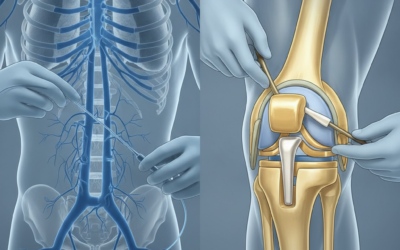
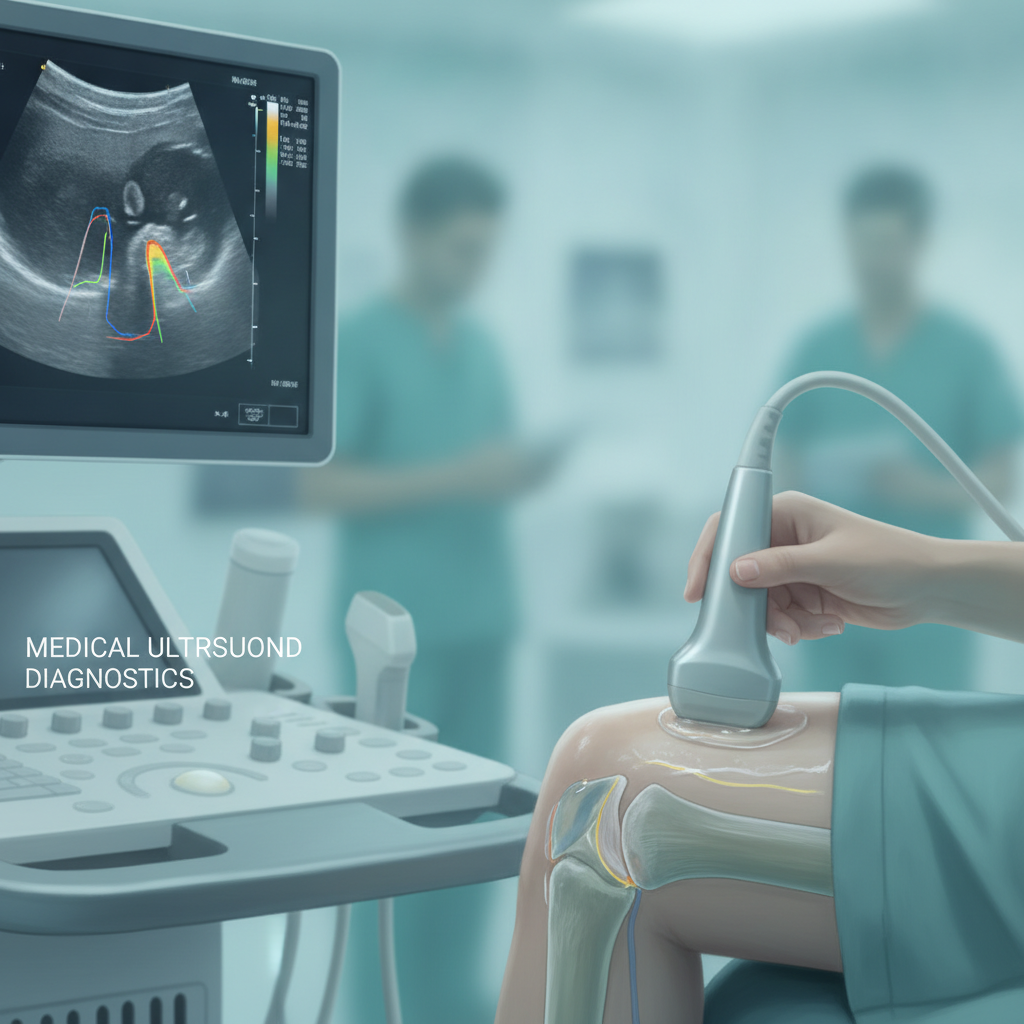
One of the newest developments in joint pain treatment involves embolization procedures, which are performed by interventional radiologists using advanced imaging technology.
Rather than simply masking pain, these procedures are designed to target the abnormal blood vessels associated with chronic inflammation.
At California Joint Pain Institute, we offer several embolization procedures depending on the condition being treated.
Genicular Artery Embolization (GAE)
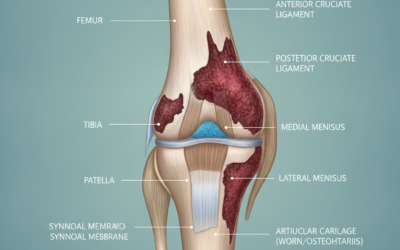
For patients with knee osteoarthritis, Genicular Artery Embolization (GAE) targets the small abnormal blood vessels that contribute to inflammation around the knee joint.
The procedure is performed through a tiny catheter and does not require joint replacement or large surgical incisions.
Elbow Artery Embolization (EAE)
Patients with chronic tennis elbow who have not improved with conservative care may be candidates for Elbow Artery Embolization (EAE).
This minimally invasive procedure reduces blood flow to abnormal vessels surrounding the inflamed tendon, helping decrease chronic inflammation while preserving the natural anatomy of the elbow.
Shoulder Artery Embolization (SAE)
For individuals with frozen shoulder, Shoulder Artery Embolization (SAE) targets the blood vessels associated with chronic inflammation in the shoulder capsule.
By addressing inflammation directly, SAE may help improve comfort and mobility without the need for major surgery.
When Is Surgery Considered?
Surgery may become appropriate for some patients whose symptoms continue despite conservative treatment.
For example:
- Advanced knee osteoarthritis may ultimately require knee replacement.
- Large rotator cuff tears may need surgical repair.
- Certain elbow conditions occasionally require orthopedic surgery if other treatments have failed.
However, surgery is not always the next immediate step after cortisone injections. Many patients benefit from exploring less invasive options first.
Choosing the Right Treatment for You
There is no single treatment that works for everyone experiencing joint pain.
The best option depends on several factors, including:
- The specific diagnosis
- Severity of symptoms
- Imaging findings
- Previous treatments
- Overall health
- Personal goals and activity level
A comprehensive evaluation can help determine which approach is most appropriate for your individual situation.
Rather than focusing on one treatment alone, many patients achieve the best results through a personalized plan that combines multiple therapies.
Looking Beyond Temporary Relief
Cortisone injections can be an effective part of managing joint pain, but they are only one piece of the treatment landscape. If injections are no longer providing the relief you need, or if you’re interested in exploring additional options, there are many approaches available today.
At California Joint Pain Institute, we specialize in evaluating chronic joint pain and helping patients understand both traditional and advanced treatment options. In addition to conservative therapies, we offer minimally invasive embolization procedures designed to target inflammation associated with conditions such as knee osteoarthritis, tennis elbow, and frozen shoulder.
If joint pain continues to interfere with your mobility or quality of life, contact us today to schedule a consultation. Together, we can discuss your symptoms, review your treatment history, and explore the options that best support your long-term comfort and function.