Knee osteoarthritis is one of the leading causes of chronic joint pain, affecting millions of adults and making everyday activities like walking, climbing stairs, or standing for extended periods increasingly difficult. As the condition progresses, many people begin looking beyond medications, physical therapy, and injections in search of longer-lasting relief.
For years, total knee replacement has been the standard option for advanced knee osteoarthritis. Today, however, many patients may also be candidates for Genicular Artery Embolization (GAE), a minimally invasive procedure that targets inflammation associated with osteoarthritis without replacing the joint itself.
While both treatments are designed to improve pain and function, they work in very different ways and may be appropriate for different patients. Understanding these differences can help you have a more informed conversation with your physician about your options.
Understanding Knee Osteoarthritis
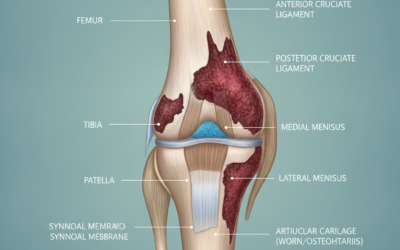
Knee osteoarthritis develops when the cartilage that cushions the knee joint gradually wears away. As cartilage becomes thinner, the joint experiences increased stress during movement, often resulting in pain, stiffness, swelling, and reduced mobility.
Although cartilage loss is a hallmark of osteoarthritis, chronic inflammation also plays an important role in the symptoms many patients experience. Inflamed tissues surrounding the joint can contribute to ongoing discomfort, making it difficult to enjoy normal daily activities.
Most treatment plans begin conservatively with approaches such as:
- Physical therapy
- Activity modification
- Anti-inflammatory medications
- Knee braces
- Corticosteroid or hyaluronic acid injections
When these treatments no longer provide meaningful relief, patients often begin considering more advanced options.
What Is Genicular Artery Embolization (GAE)?
Genicular Artery Embolization is a minimally invasive, image-guided procedure used to treat chronic knee pain caused by osteoarthritis.
Research has shown that knees affected by osteoarthritis often develop small abnormal blood vessels around the inflamed joint lining. These vessels are associated with ongoing inflammation and pain.
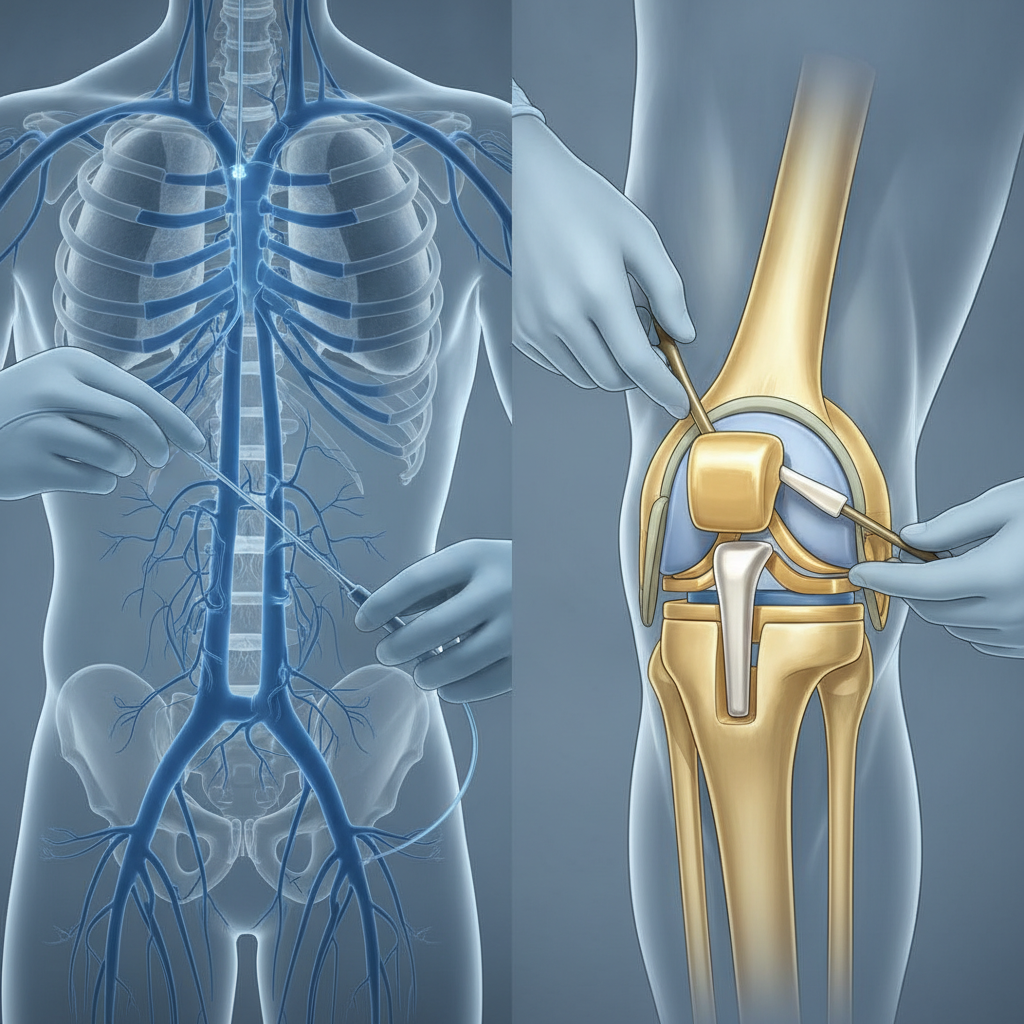
During GAE, an interventional radiologist uses advanced imaging to guide a small catheter to the arteries supplying these inflamed tissues. Tiny embolic particles are then carefully delivered to reduce blood flow within the abnormal vessels. The goal is to decrease inflammation within the joint, which may help relieve pain and improve mobility.
Unlike surgery, GAE does not remove or replace any part of the knee joint. Instead, it focuses on addressing one of the contributors to chronic osteoarthritis pain while preserving the patient’s natural anatomy.
What Is Knee Replacement Surgery?
Total knee replacement is a surgical procedure that removes damaged portions of the knee joint and replaces them with artificial implants made of metal and durable plastic.
The procedure has helped many patients regain function and reduce pain, particularly those with advanced osteoarthritis. However, because it is major surgery, it also involves:
- Hospitalization or surgical center admission
- General or regional anesthesia
- Surgical incisions
- Removal of damaged bone and cartilage
- Extensive rehabilitation and physical therapy
- A longer overall recovery period
For many people, knee replacement provides significant improvement. Others, however, may wish to delay surgery or explore less invasive treatment options before committing to joint replacement.
Comparing GAE and Knee Replacement
Although both treatments address knee osteoarthritis, they differ in several important ways.
Treatment Approach
GAE focuses on reducing inflammation by targeting the abnormal blood vessels associated with osteoarthritis. The procedure preserves the natural knee joint and is performed through a tiny catheter using image guidance.
Knee replacement takes a structural approach by removing damaged portions of the joint and replacing them with artificial components. It is intended to restore joint function when osteoarthritis has caused significant deterioration.
Invasiveness
One of the biggest differences between the two procedures is how they are performed.
GAE is minimally invasive, requiring only a small catheter inserted through a tiny access point. There are no large incisions or joint reconstruction.
Knee replacement is a major orthopedic surgery involving larger incisions, replacement of joint surfaces, and a more extensive healing process.
Recovery
Because GAE is performed as an outpatient procedure, many patients return home the same day and are able to resume light daily activities relatively quickly, following their physician’s recommendations.
Recovery after knee replacement generally requires a more substantial commitment. Physical therapy is an essential part of rehabilitation, and it can take several weeks or months before patients regain strength and mobility.
Recovery experiences vary from person to person, but knee replacement generally involves a longer rehabilitation period than GAE.
Who May Be a Candidate for GAE?
GAE may be an option for patients who:
- Have knee osteoarthritis confirmed by imaging
- Continue to experience chronic pain despite conservative treatments
- Want to postpone or avoid knee replacement surgery if appropriate
- Are looking for a minimally invasive treatment option
- Are not ideal surgical candidates because of certain health considerations
A thorough evaluation is necessary to determine whether GAE is appropriate for an individual’s specific condition and treatment goals.
When Knee Replacement May Still Be Appropriate
Although GAE offers an exciting treatment option for many patients, knee replacement remains an important procedure for certain cases of osteoarthritis.
Patients with extensive joint destruction, severe structural deformity, or advanced mechanical instability may still benefit most from surgical joint replacement.
The decision depends on many factors, including:
- The severity of osteoarthritis
- Imaging findings
- Overall joint function
- Medical history
- Individual lifestyle goals
Rather than viewing GAE and knee replacement as competing procedures, they are often better understood as different treatment options that may be appropriate at different stages of disease.
Benefits of Exploring Less Invasive Options First
Many patients appreciate having an option that does not immediately require major surgery.
Potential advantages of exploring GAE include:
- Outpatient treatment
- No large surgical incision
- Preservation of the natural knee joint
- Targeted treatment of inflammation
- Shorter recovery compared with knee replacement
- The possibility of delaying or avoiding joint replacement for some patients
Not every patient will be a candidate, but learning about all available treatment options allows individuals to make informed decisions about their care.
Making the Right Decision
Choosing between Genicular Artery Embolization and knee replacement is a personal decision that should be made in partnership with an experienced physician.
Factors such as pain severity, imaging results, activity level, previous treatments, and overall health all play a role in determining the most appropriate treatment plan.
For some patients, conservative therapies remain effective. Others may benefit from GAE as a minimally invasive alternative, while patients with more advanced disease may ultimately require knee replacement.
Understanding the advantages and limitations of each option helps ensure that treatment aligns with both medical needs and personal goals.
Learn More About Your Knee Osteoarthritis Treatment Options
Living with chronic knee pain doesn’t necessarily mean your only option is major surgery. Advances in minimally invasive medicine have expanded the range of treatments available for people with knee osteoarthritis, including Genicular Artery Embolization (GAE).
At California Joint Pain Institute, we specialize in evaluating patients with chronic knee pain and helping them understand the treatment options that may be appropriate for their condition. If osteoarthritis is affecting your mobility or quality of life, our team can discuss whether a minimally invasive approach like GAE may fit your needs.
Schedule a consultation with us to learn more about Genicular Artery Embolization and explore personalized treatment options for knee osteoarthritis.
[a]Just want to ensure we add note that GAE is a stepping stone in terms of pain management and quality of life but will never cure anyone of OA given its degenteratvie. GAE can occur and than later you can stil get a total joint replacement but GAE will allow you the opportunity to prolong the need for such an invasive prpocedure